
International Patient Desk — open 24 hours Call or WhatsApp +91 99673 87791

Transplant Programme at Apollo Hospitals, Mumbai — international patient care

A transplant starts with the donor question. Ask it first.

Send your reports on WhatsApp and tell us who in the family might donate. Our transplant team assesses both patient and donor, explains what the law requires, and gives you a written cost estimate — before you spend anything on travel.

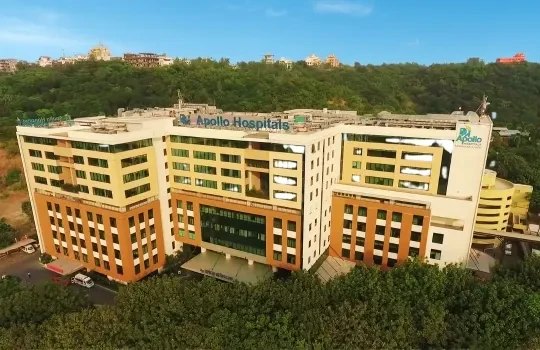
Apollo Hospitals transplant centre in Mumbai, India
Apollo Hospitals, Mumbai
Donor assessed tooEvaluation and documentation guidance for patient and donor together
HLA typing earlySibling matching for blood disorders can often start before you travel
Visa for all threeInvitation letter covering patient, donor and attendant

One team, from matching to lifelong follow-up

For patients with organ failure or certain blood disorders, a transplant can be the difference between a life limited by illness and a genuine second chance. Our transplant department offers comprehensive organ transplant treatment in India — from donor evaluation and matching to complex surgery and lifelong post-transplant care, for both adults and children. Our transplant surgeons, hepatologists, nephrologists and haematologists guide you through every step with honesty, without unnecessary tests or delays.

From kidney and liver transplants to bone marrow transplants for blood disorders, we bring together some of the best transplant surgeons in India, dedicated transplant ICUs and coordinated donor programmes in one building — so patients don't have to run between different hospitals for different parts of their treatment.

Our international patient desk handles everything around the medical part: reports review, donor documentation guidance, cost estimate, visa invitation letters, airport pickup, accommodation, interpreter support and follow-up once you are home.

Transplants we perform

Plain explanations of what each transplant involves, including what is required of the donor.

Advanced kidney failure

Kidney transplant

For patients with advanced kidney failure, transplant remains the treatment that offers the best long-term quality of life compared to lifelong dialysis. Patients and families searching for kidney transplant surgery in India trust our nephrology and transplant team to carefully evaluate both the patient and potential donors before proceeding with surgery. Outcomes are supported by close post-operative monitoring and structured, long-term immunosuppression management to protect the new organ.

Donor eligibility comes first

Organ donation in India is governed by the Transplantation of Human Organs Act. Living donation is permitted from a near relative — parent, sibling, child or spouse — and from other donors only with approval from a government authorisation committee. Every case needs documentary proof of the relationship, the donor must be medically fit and must consent freely, and any commercial arrangement is illegal. Our transplant coordinator tells you exactly which documents you and your donor will need from your own country, before you book anything.

Liver failure

Liver transplant

When the liver is damaged beyond recovery through disease, chronic infection or acute failure, a transplant can be the only option left. Patients exploring liver transplant surgery in India can rely on our hepatology and transplant surgery team for thorough evaluation, living-donor liver transplant procedures where a portion of a healthy donor's liver is used, and close monitoring through the delicate recovery period that follows. The team works closely with families to explain donor suitability, surgical risks and what recovery realistically looks like at every stage — including the fact that a living donor undergoes major surgery of their own, and is assessed just as carefully as the patient.

Sickle cell & thalassaemia

Bone marrow transplant

For patients living with sickle cell disease or thalassaemia, a bone marrow transplant can offer something medication alone cannot: a potential cure. Families searching for bone marrow transplant for sickle cell disease or thalassaemia treatment in India trust our haematology team to carefully assess donor compatibility, typically starting with matched sibling donors, and guide patients through the transplant process in specialised, infection-controlled units built for this exact purpose.

We work closely with families travelling from across Africa and other regions where these blood disorders are more common, offering coordinated pre-transplant evaluation, the transplant itself, and structured follow-up to support recovery long after patients return home.

What decides whether it's possible

The starting point is usually a brother or sister who is a full HLA match — which happens in roughly one in four siblings. HLA typing of the patient and siblings is the first test done, and it can often be arranged before the family travels. A transplant is not suitable for every patient and carries serious risks including infection, graft rejection and graft-versus-host disease. Our haematologists assess each case individually and set out the risks alongside the potential benefit, so families decide with the full picture.

Transplant care expertise

Our transplant unit is built to support careful donor matching, safer surgery and better long-term monitoring at every stage of treatment.

Dedicated transplant theatres

Strict infection-control protocols to protect immunosuppressed patients during and after surgery.

Donor evaluation and matching

Tissue typing, cross-matching and medical fitness assessment for both living and deceased donors.

Transplant ICUs

Close, round-the-clock monitoring of patients before and after major transplant surgery.

Bone marrow transplant units

Isolated, sterile rooms designed to protect patients with weakened immunity during recovery.

HLA typing and screening labs

Accurate matching for bone marrow and stem cell transplants, and blood disorder screening.

International transplant coordinators

Helping families navigate travel, documentation and logistics around treatment.

Lifelong follow-up

Immunosuppression management and monitoring that continues well after patients return home.

Where you will be treated

A transplant is the longest stay on any of our treatment pathways, and usually the one where two people travel and two people recover. Accommodation, dialysis scheduling and donor logistics are planned around that from the first conversation.

  • LocationApollo Hospitals, Mumbai, Maharashtra, India
  • From the airportChhatrapati Shivaji Maharaj International Airport is the arrival point for international patients. We arrange pickup for patient, donor and attendant.
  • Protected recoveryBone marrow transplant patients recover in isolated, sterile rooms while immunity rebuilds
  • Extended staysServiced apartments for the family across evaluation, surgery and the monitoring period
Apollo Hospitals Mumbai building lit at night
Transplant ICUs are monitored around the clock

Book a consultation with our transplant team

Not sure whether a transplant is the right option, or want to understand donor eligibility before making any decisions? That is exactly the kind of question our transplant specialists are here to answer. Every consultation starts with a proper review of your reports, scans and medical history, so you get a clear, honest opinion before any decision is made — not a rushed recommendation.

Kidney Transplant — Nephrology

Dr. Amit Langote — Nephrology, Transplants · 17+ years
Dr. Ravindra Nikalji — Nephrology, Transplants · 14+ years

Kidney Transplant — Surgery

Dr. AmolKumar Patil — Urology, Transplants, Robotic Surgery · 15+ years

Liver transplants are handled by our hepatology and HPB surgery team, and bone marrow transplants by our haematology and BMT team. Tell us which transplant you are asking about and we will put you in front of the right consultant.

From your city to a transplant

Six steps. The first three, including donor typing in many cases, happen before anyone travels.

Send patient reports

WhatsApp the latest blood reports, scans and your specialist's notes. For blood disorders, send the diagnosis and transfusion history.

Identify the donor

Tell us who in the family may donate and their relationship to the patient. For bone marrow, sibling HLA typing can often be arranged before travel.

Opinion, documents and estimate

The team confirms whether transplant is appropriate, lists the relationship documents your country requires, and issues a written cost estimate.

Visa and travel

Invitation letters for patient, donor and attendant, help with the medical visa applications, and flights planned around the evaluation dates.

Evaluation, clearance and surgery

Donor workup and authorisation clearance, then transplant surgery with a coordinator alongside the family throughout the ICU period.

Monitoring, then home

Close monitoring while immunosuppression is adjusted, a medicine plan your local specialist can continue, and scheduled video follow-up.

International patients we care for

Our transplant coordinators regularly work with families travelling from:

Nigeria Kenya Tanzania Uganda Ethiopia Ghana Zambia Zimbabwe DR Congo Sudan Botswana Namibia Mauritius

Sickle cell disease and thalassaemia are far more common across several of these countries, and our haematology team works with these families regularly. Support in English, French, Swahili, Arabic and Amharic can be arranged.

What it will cost

Transplant cost in India depends on the organ, the donor workup, how long the evaluation and clearance take, complications if any arise, and the medication the patient will need afterwards. Immunosuppression continues for life after an organ transplant, and that ongoing cost belongs in the plan from the start — not discovered later.

Send your reports and you will receive a written estimate covering donor evaluation, surgery, ICU, hospital stay and consultations, along with guidance on continuing medication costs — so you know what you are committing to before you book a ticket.

Get my cost estimate

Send your case for review

Fill this in and it opens WhatsApp with your details ready to send. Attach your reports there.

Your reports stay between you, our transplant coordinator and the treating specialist.

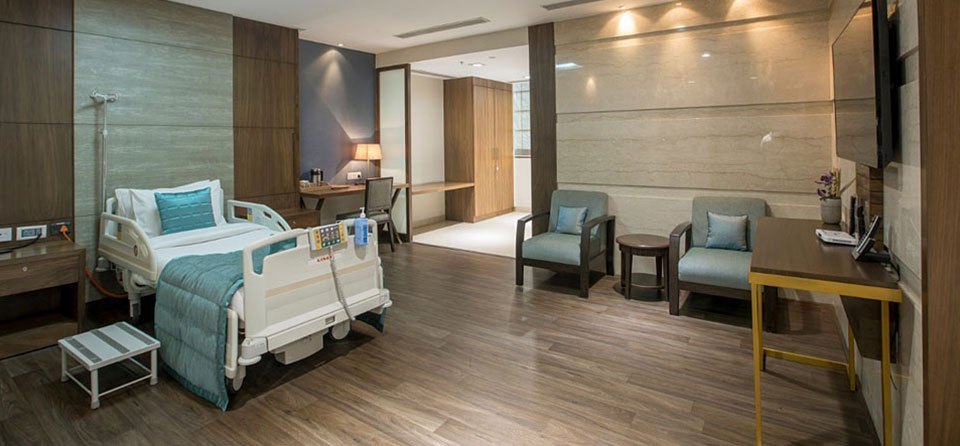
Private patient room with attendant seating at Apollo Hospitals, Mumbai
Rooms for the patient and the donor A living donor has surgery and a recovery of their own, and is looked after with the same care as the patient. The coordinator arranges rooms and nearby accommodation for both, across the whole evaluation and recovery period.

Questions families ask us first

Who is allowed to donate an organ in India?

Organ donation is governed by the Transplantation of Human Organs Act. Living donation is permitted from a near relative — parent, sibling, child or spouse — and from other donors only with approval from a government authorisation committee. Every case requires documentary proof of the relationship, the donor must be medically fit and must consent freely, and any commercial arrangement is illegal. Our coordinator tells you exactly which documents your country requires before you book travel.

Who can be a bone marrow donor for sickle cell disease or thalassaemia?

Usually a brother or sister who is a full HLA match, which happens in roughly one in four siblings. HLA typing of the patient and siblings is the first test done and can often be arranged before the family travels, so you know early whether a transplant is even possible. Where no matched sibling exists, the team will tell you honestly whether other donor options suit that particular patient.

Can a bone marrow transplant really cure sickle cell disease?

For carefully selected patients with a suitable matched donor, it can be curative — something medication alone cannot achieve. But it is not suitable for everyone, and it carries serious risks including infection, graft rejection and graft-versus-host disease. Our haematologists assess each patient individually and set out those risks alongside the potential benefit, so no family decides on hope alone.

How long will we need to stay in India?

Longer than for any other surgery. Donor evaluation and legal clearance take time before surgery can be scheduled, and recipients are monitored closely afterwards while immunosuppression is adjusted. Bone marrow transplant patients need an extended period in a protected environment while immunity recovers. Ask the team for a realistic timeline for both patient and donor once evaluation begins, and plan flights around that rather than the other way round.

What does the first step cost?

Nothing. Review of your reports, the specialist's opinion and the cost estimate are free. You pay only once you decide to proceed with treatment.

Can the donor and patient travel together?

Yes, and for a living donor transplant they need to. The visa invitation letter covers the patient, the donor and an attendant, and the coordinator lists exactly which relationship documents each country requires before travel is booked.

What about the language?

Consultations are in English. Interpreters for French, Swahili, Arabic and Amharic can be arranged for consultations, donor counselling and the hospital stay — tell us in advance so we can book one.

WhatsApp us Call now